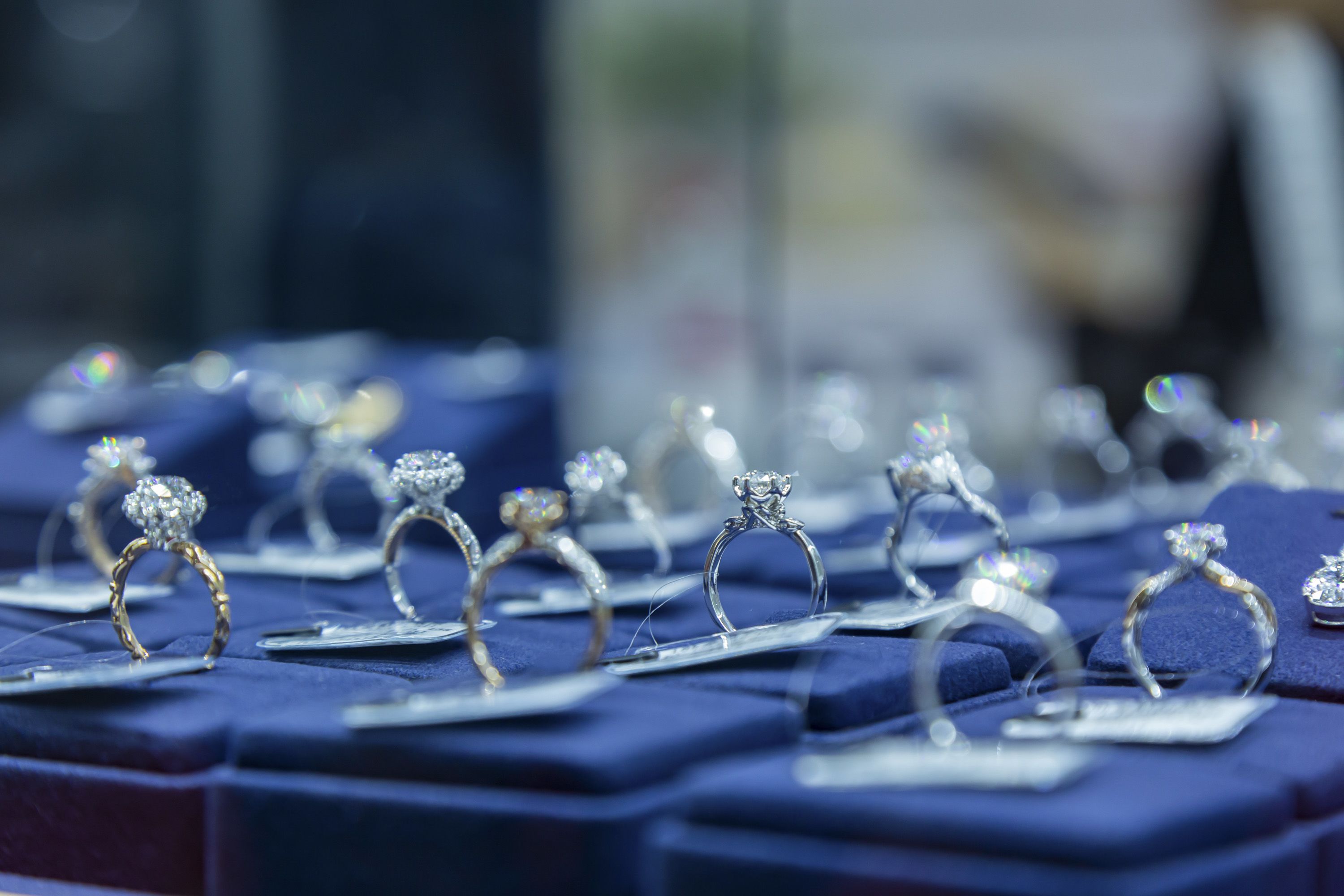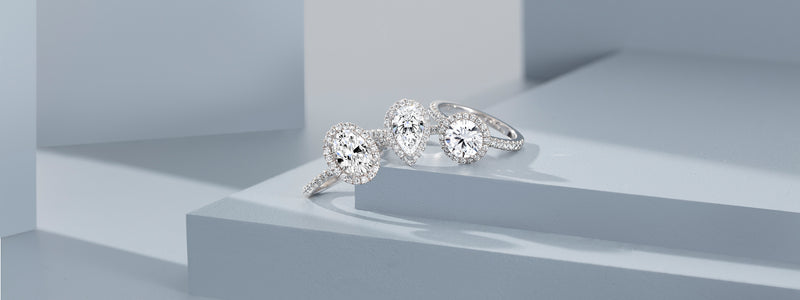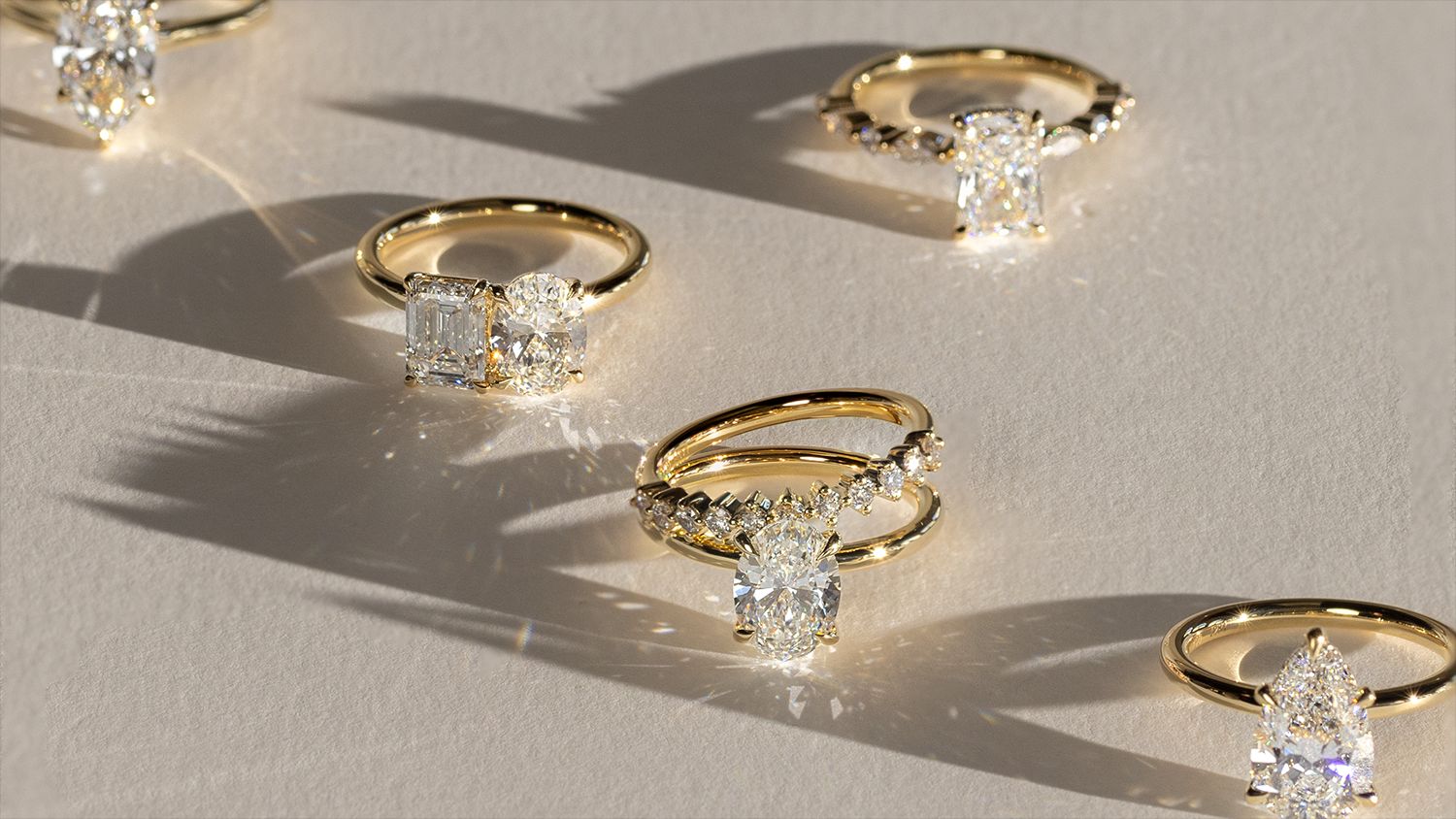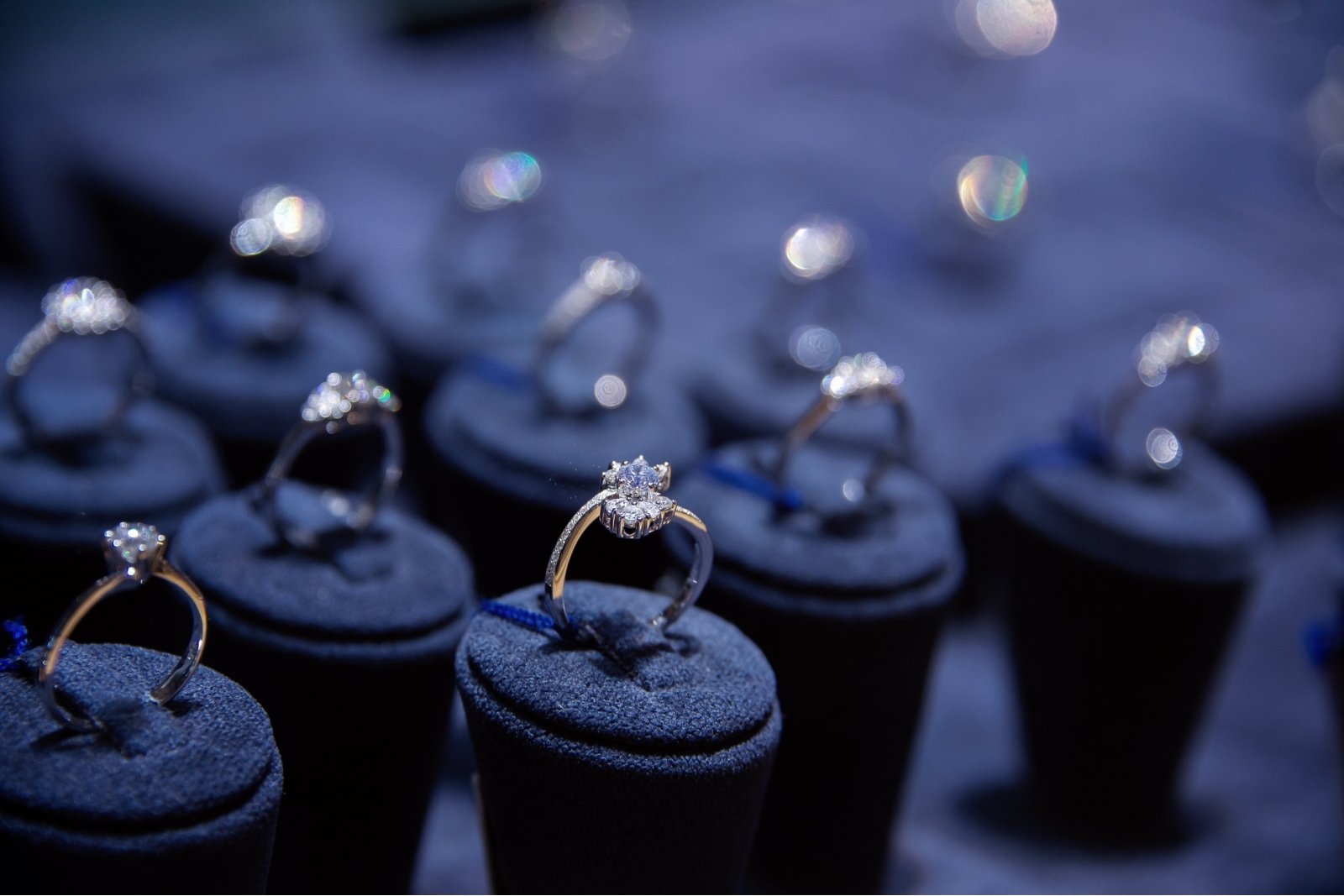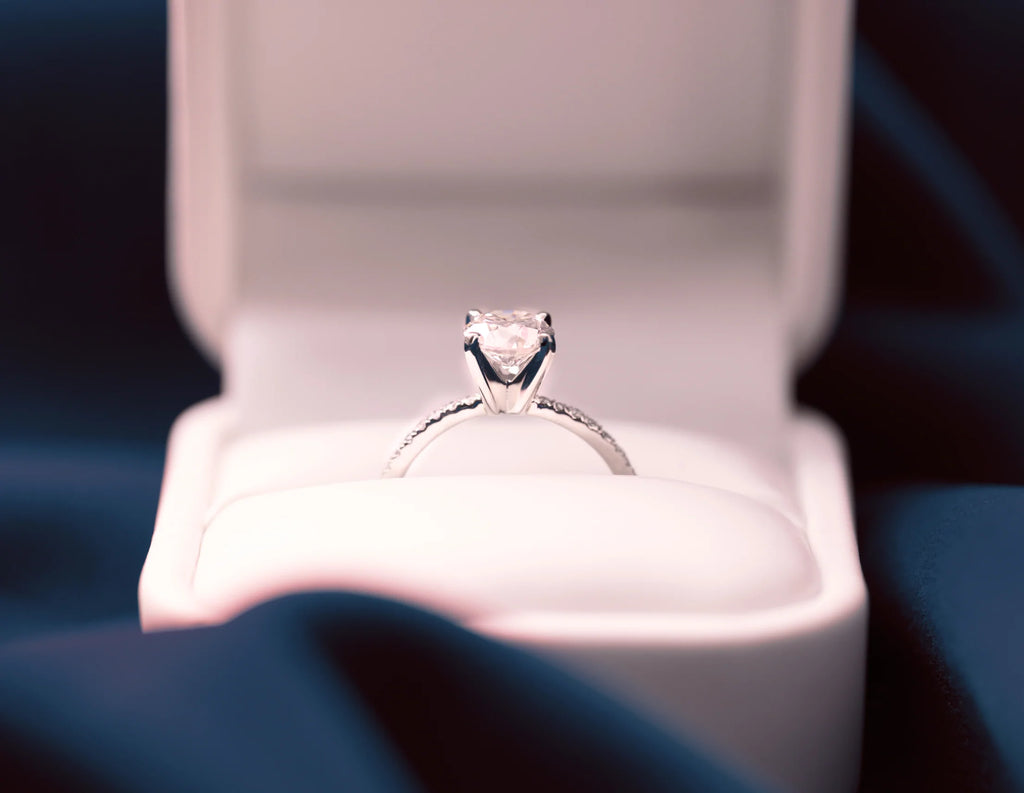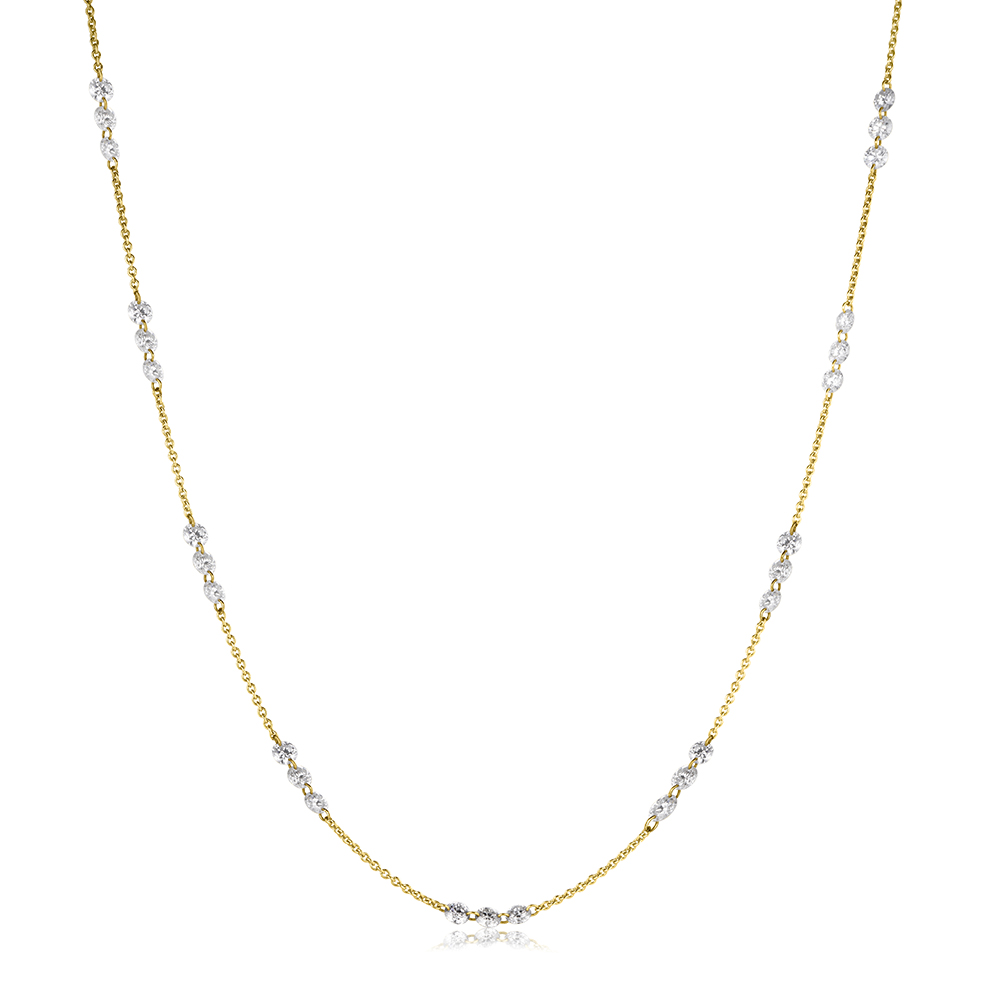


The jewellery industry has changed dramatically over the past decade. One of the most significant shifts is the rise of lab grown diamonds. These stones offer the same brilliance, hardness, and beauty as mined diamonds but come with a different story. For couples in Malaysia looking for custom engagement rings, lab diamonds present an attractive option that balances quality, value, and ethics. Understanding what these gems are and how they compare to natural diamonds helps buyers make informed decisions.
What Are Lab Diamonds?
Lab diamonds are real diamonds. They are not imitations or simulants like cubic zirconia or moissanite. They have the exact same chemical composition as mined diamonds. Both are made of pure carbon arranged in a crystal structure. The only difference is their origin. Natural diamonds form deep underground over billions of years under extreme heat and pressure. Lab diamonds are created in controlled environments using technology that mimics these natural conditions.
There are two main methods for growing diamonds in a lab. The first is High Pressure High Temperature. This process uses a small diamond seed and places it in carbon with extreme pressure and heat. The carbon crystallizes around the seed and forms a larger diamond. The second method is Chemical Vapor Deposition. This process uses a diamond seed in a vacuum chamber filled with carbon-rich gas. The gas breaks down and deposits carbon atoms onto the seed layer by layer. Both methods produce diamonds that are chemically and physically identical to natural ones.
The Science Behind Lab Diamonds
The technology for growing diamonds has existed since the 1950s. Early lab diamonds were small and mostly used for industrial purposes. They were not suitable for jewellery because of their size and colour. Over time the technology improved significantly. Today producers can grow large diamonds with exceptional clarity and colour grades. The process takes several weeks to a few months depending on the size and quality required.
Grading labs like the Gemological Institute of America and the International Gemological Institute treat lab diamonds the same as natural diamonds. They evaluate them based on the same Four Cs. These are cut, colour, clarity, and carat weight. A lab diamond with excellent grades looks identical to a natural diamond with the same grades. Even professional gemologists cannot tell them apart without specialized equipment.
Lab Diamonds and Custom Engagement Rings
Lab diamonds have opened up new possibilities for custom engagement rings in Malaysia. The cost difference is substantial. Lab diamonds typically cost 30 to 40 percent less than natural diamonds of comparable quality. This price advantage allows buyers to choose larger stones or better grades within their budget. It also means more flexibility in ring design.
When designing custom engagement rings, every detail matters. The choice of diamond shape, the metal type, and the setting style all contribute to the final piece. Lab diamonds offer the same range of options as natural diamonds. Buyers can choose from round brilliant cuts, princess cuts, emerald cuts, and many other shapes. They can select from different colour grades and clarity grades. The only limitation is personal preference.
Many jewellers in Malaysia now offer lab diamonds as a standard option for custom engagement rings. They work directly with suppliers to source stones that meet specific requirements. This direct relationship often results in better pricing and more transparency. Buyers can request certificates from grading labs to verify the quality of their chosen stone.
Are Lab Diamonds Durable?
Durability is a critical factor for any engagement ring. These rings are worn daily and must withstand regular wear. Lab diamonds score a perfect 10 on the Mohs scale of hardness. This rating is identical to natural diamonds. They resist scratching and maintain their polish over time. The toughness of lab diamonds is also comparable to natural diamonds. They can be cut and set in the same way without any risk of damage.
For custom engagement rings that feature intricate settings or multiple stones, durability is essential. Lab diamonds provide the same strength and security as natural stones. They hold up well in prong settings, bezel settings, and pavé settings. There is no risk of the stone becoming dull or damaged from normal wear.
Cost and Value Comparison
The price gap between lab and natural diamonds has widened over the years. This difference is not due to quality but rather market dynamics. Natural diamonds have a supply chain that involves mining, sorting, cutting, and distribution. Each step adds cost. Lab diamonds have a shorter supply chain and more predictable production costs. The savings are passed on to the buyer.
The resale value of lab diamonds is lower than natural diamonds. This is an important consideration for some buyers. However most people buy engagement rings for personal enjoyment rather than investment purposes. The primary value lies in the meaning of the piece rather than its future monetary worth. For those who prioritize budget and appearance, lab diamonds offer exceptional value.
Ethical and Environmental Considerations
The ethical aspects of diamond sourcing have become more important to modern buyers. Lab diamonds eliminate concerns about conflict diamonds. They also reduce the environmental impact associated with mining. Diamond mining requires significant land disturbance and water usage. It can also affect local communities and ecosystems. Lab production uses less land and water while producing fewer carbon emissions.
However lab diamonds are not completely without environmental impact. The production process consumes energy. Many producers are now moving toward renewable energy sources to reduce their carbon footprint. Buyers interested in sustainability should ask about the specific practices of the producer. Some companies provide transparency reports on their energy usage and environmental efforts.
Choosing the Right Lab Diamond
Selecting a lab diamond involves the same considerations as selecting a natural diamond. The cut grade has the most significant impact on the stone’s appearance. A well-cut diamond reflects light beautifully and appears brilliant even in lower colour or clarity grades. Buyers should prioritize cut quality when making their selection.
Colour and clarity matter but are less visible to the naked eye. Most people cannot distinguish between a D colour and a G colour diamond without side-by-side comparison. Similarly clarity grades like VS1 and SI1 appear identical without magnification. Choosing slightly lower grades in these categories can save money without sacrificing visual appeal.
For custom engagement rings in Malaysia, working with a reputable jeweller is crucial. A good jeweller will explain the options clearly. They will show examples of different grades and help buyers understand the trade-offs. They will also provide certification for the diamond and explain the return and warranty policies.
The Future of Lab Diamonds
The market for lab diamonds continues to grow. Major jewellery retailers now include them alongside natural diamonds in their collections. Consumer awareness is increasing and more people understand that lab diamonds are real diamonds. The technology continues to improve resulting in even higher quality stones at lower prices.
For couples planning custom engagement rings, lab diamonds provide a modern choice that aligns with contemporary values. They offer beauty, durability, and value while addressing ethical and environmental concerns. As technology advances, lab diamonds are likely to become an even more significant part of the jewellery landscape.
Conclusion
Lab diamonds have proven themselves as a legitimate and attractive option for engagement jewellery. They share the same physical properties as natural diamonds while offering better pricing and more transparent sourcing. For couples in Malaysia designing custom engagement rings, these stones provide flexibility in design and budget. The choice between lab and natural diamonds ultimately depends on personal preference and priorities. Both options deliver lasting beauty and meaning. Buyers who understand the facts can confidently select the diamond that feels right for them.