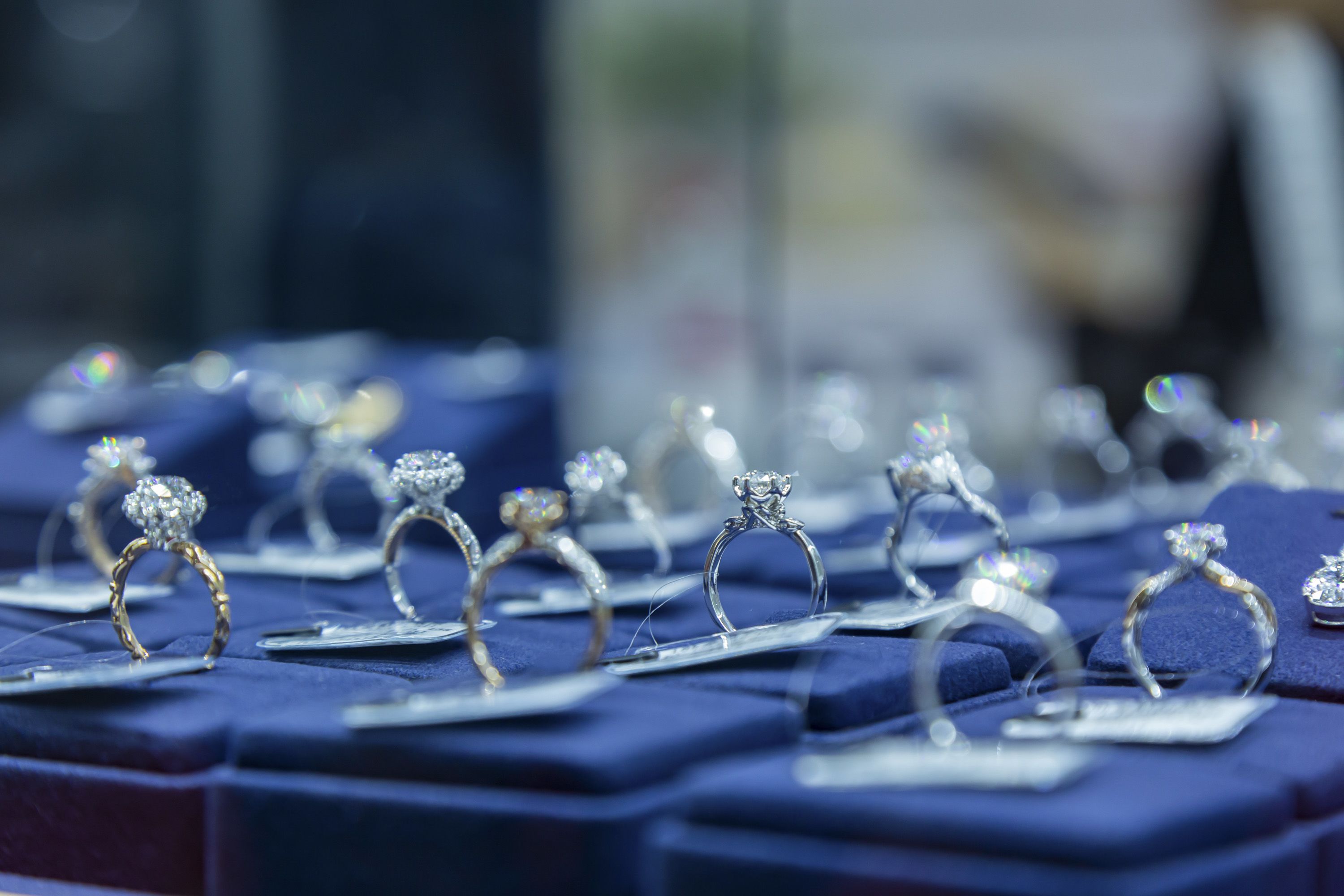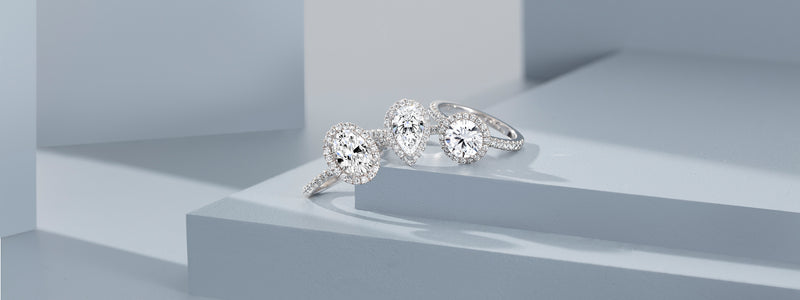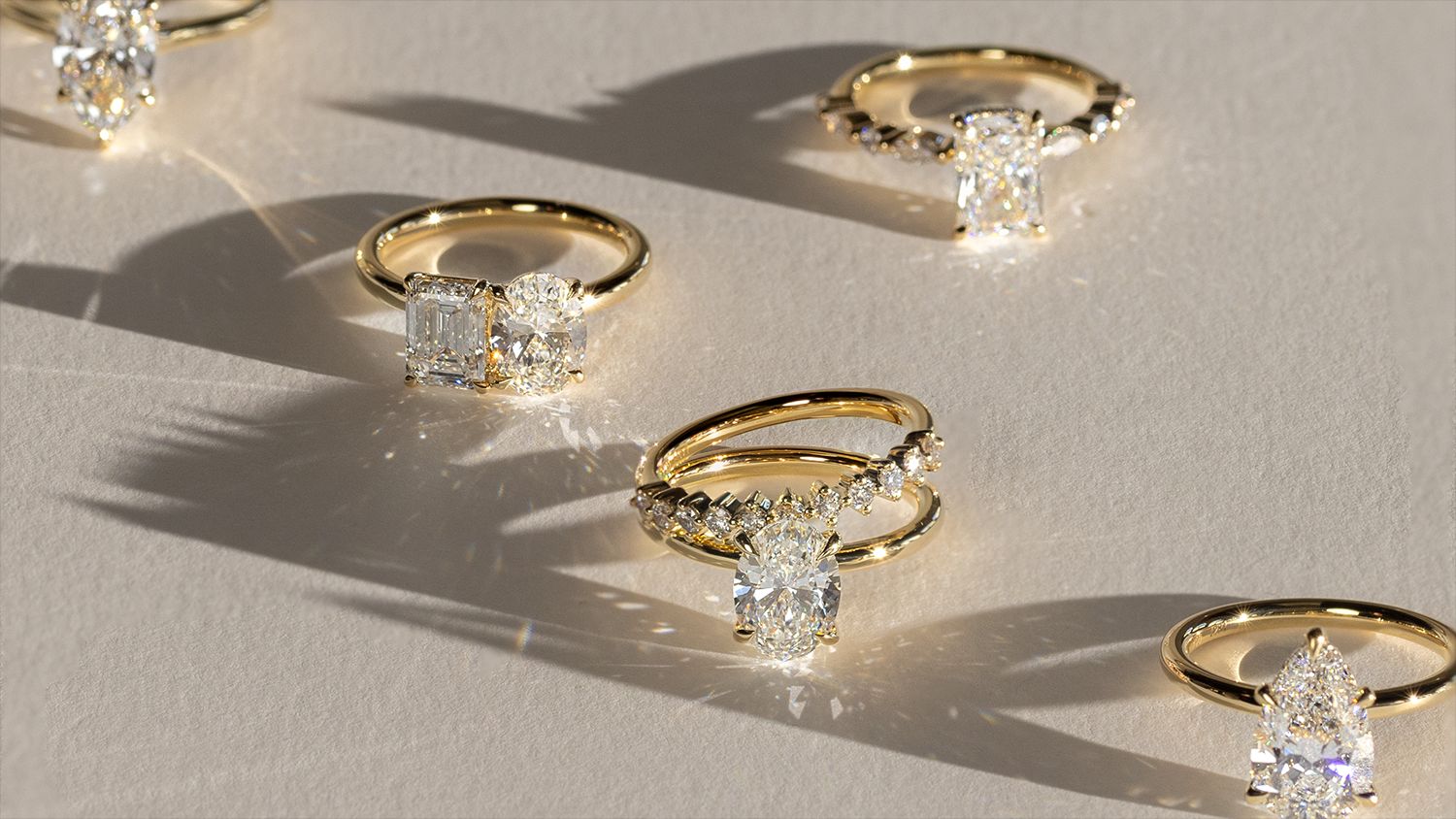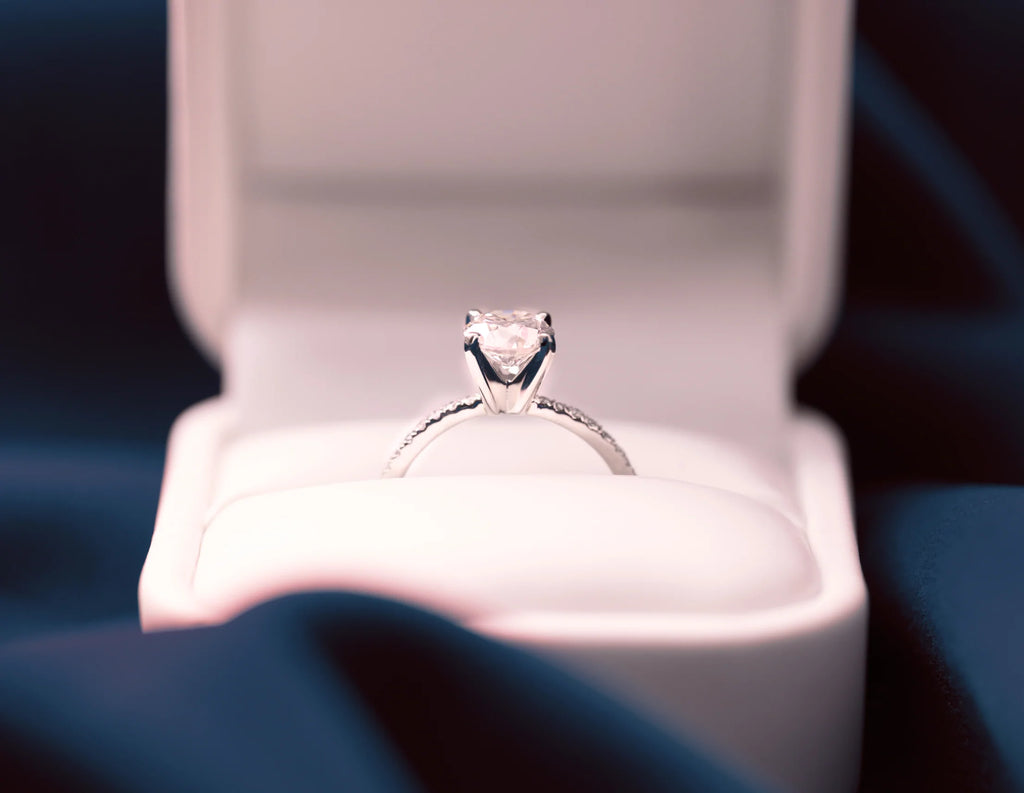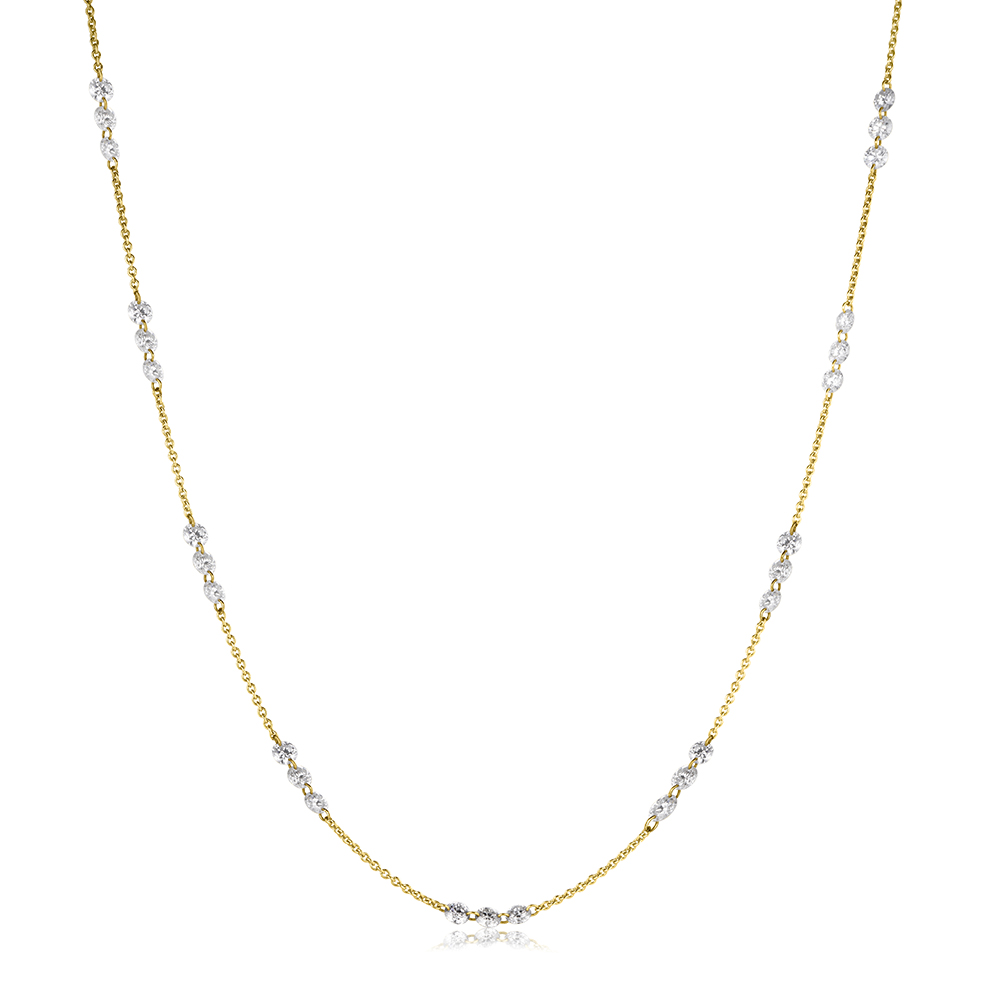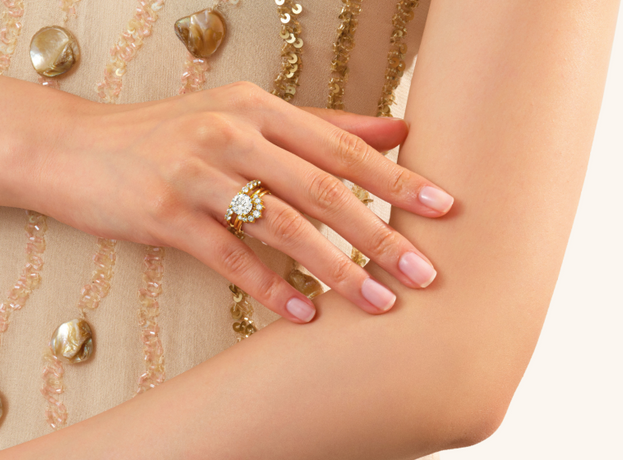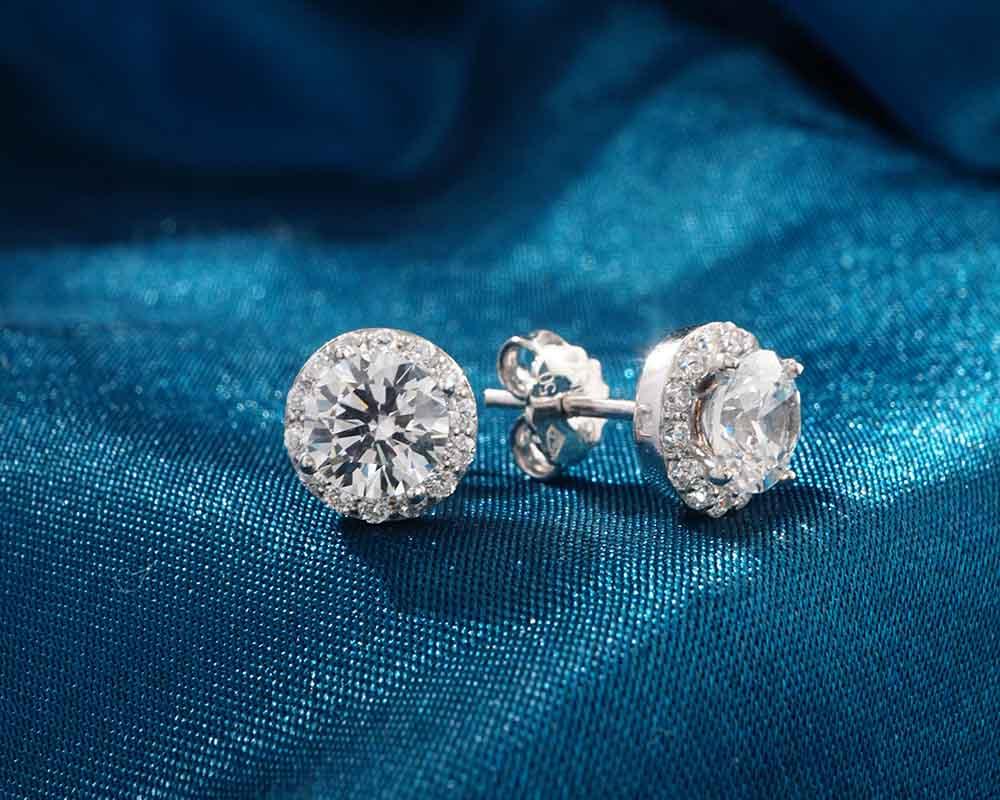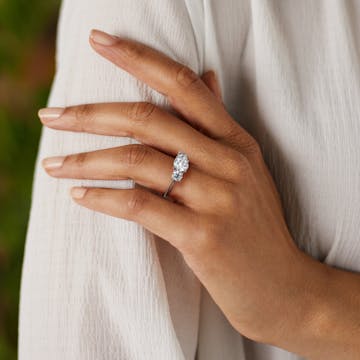


Not quite dug up – lab diamonds come from labs instead of deep underground. Exactly like mined stones, these sparklers match in chemistry, feel, and look. Origin sets them apart, nothing else. Natural ones need eons, squashed by heat and pressure far below. These lab versions? Ready in weeks, thanks to smart machines humming inside clean rooms. Starting with a lab diamond might make sense if you are looking at buying something shiny but keeping more cash in your pocket. Picking one of these stones means you still get that sparkle for rings meant for proposals, ear piercings, even saving them like small treasures – yet they cost less than those pulled from deep underground.
Lab Diamonds How Theyre Created
One way to make sapphire vs diamond involves intense heat plus pressure. Another method uses a gas mixture inside a vacuum chamber.
- Deep underground conditions spark diamond growth when carbon gets squeezed hard and heated intensely. Machines copy this by pressing and baking pure carbon till it transforms.
- A thin slice of diamond acts as a starter. Gas heavy with carbon wraps around it. Layer by layer, material builds up. Heat helps form structure slowly. Molecules link under controlled conditions. Growth happens molecule by molecule. A new surface appears over time.
Clear results come from HPHT, creating sturdy gems most of the time. Size steps up when CVD enters, leaving behind many flaws. Without expert tools, telling lab stones apart from mined ones? Nearly impossible. These processes match nature in ways eyes alone can’t confirm.
Quality and Grading
A lab diamond gets its grade just like a real one does. Here’s what matters most: cut, color, clarity, then carat weight. Each of these plays a part in how the stone looks when you see it up close. Not every detail stands out right away though. What catches your eye first might not be the biggest factor after all
- Cut – How well the diamond is shaped and polished
- A shade might show up in the gem – or not. Sometimes it is there, sometimes empty. Hues appear, then vanish without warning. A lack of tint can speak as loud as a burst of tone. Presence matters just as much as what hides behind clarity. Light plays tricks where pigment decides to stay or go
- Mistakes inside or outside a stone show up when you look closely. Its purity depends on what traps the eye under scrutiny. Flaws hide within, others sit on the surface – each affects transparency. What matters most is how clean it appears from edge to center. Tiny marks may scatter light, changing its openness. The fewer disruptions, the smoother the view through
- Carat – The diamond’s weight
A stamp from known testing centers helps confirm your lab diamond lines up with expected quality marks. Details inside these documents give clarity on what the stone is really like.
Laboratory Grown Diamonds Offer Fewer Environmental Impacts Than Mined Stones
Lab diamonds have several practical benefits for buyers.
- For less cash, pick a larger gem or one that shines brighter. A smaller price tag means room to upgrade size or sparkle without stretching your budget.
- Fair collection methods mean nothing gets pulled from the ground, so harm to nature and communities drops sharply. Instead of digging deep, materials come through cleaner paths that skip destruction altogether.
- Folks know just what to expect. Lab settings shape stones to match exact traits every single time.
When it comes to knowing where things come from, lab diamonds let you see clearly what you’re buying. Because they’re made with long-term thinking, choosing one feels more like a decision than a guess.
Lab Diamonds Versus Other Gemstones
One thing to think about: sapphire versus diamond depends on your priorities. Color comes built in with sapphires, unlike clear diamonds that need light to shine. Cost often leans toward sapphire, since these gems typically carry a lower price tag. Though tough, sapphires don’t quite match the extreme hardness of diamonds. Lab grown or mined, diamonds hold their ground as nature’s toughest material. Over years, they tend to keep worth better than most alternatives. When it comes to long-lasting jewelry that keeps its worth over time, a lab diamond fits well. Should bold hues or distinctive appearance matter more to you, then perhaps a sapphire feels right instead.
Caring for Lab Diamonds
Sparkle stays put when you wash lab diamonds gently using soapy water and a toothbrush. A sudden shift in heat might trouble them, so keep things steady. Harsh cleaners? Better skip those altogether. Tucked away on their own, they won’t get nicked by sharper pieces nearby. Day after day, these gems handle life without fuss.
Where to Buy Lab Diamonds
Picking a lab diamond? You can find them just about anywhere these days – websites, jewelry counters, you name it. Look around before deciding
- Start by looking up lab credentials that matter. A stamp from known testing centers helps tell the real deal apart. Spotting those marks makes a difference down the line.
- Compare prices from multiple sources.
- Find out what happens if you need to bring something back. Check how long guarantees last and what they cover.
Besides offering clear details on where the stone comes from, trusted vendors also share its quality openly. With online shopping, options multiply – each piece brings full background right to your screen.
Investment Considerations
Most folks save money at first when choosing lab diamonds instead of mined ones. Though both sparkle similarly, only earth-grown stones tend to grow more valuable slowly. That shift happens mainly due to limited supply underground. Man-made gems serve well for rings or gifts people enjoy daily. Over years, those purchased in labs rarely climb higher in price like their natural cousins.
Frequently Asked Questions
Are lab diamonds real diamonds?
Exactly the same stuff makes lab diamonds as real ones – carbon arranged just right. What you see on your hand? No difference at all. Their sparkle, their hardness, everything matches up perfectly when worn.
How much cheaper are lab diamonds?
A fraction of the price – that’s what lab diamonds often are when stacked against naturals matching in size and grade. Somewhere between twenty and forty percent lower sits their usual tag.
Do lab diamonds have resale value?
Few hold worth past purchase, yet often less than mined stones. For wearing daily, nothing beats their charm.