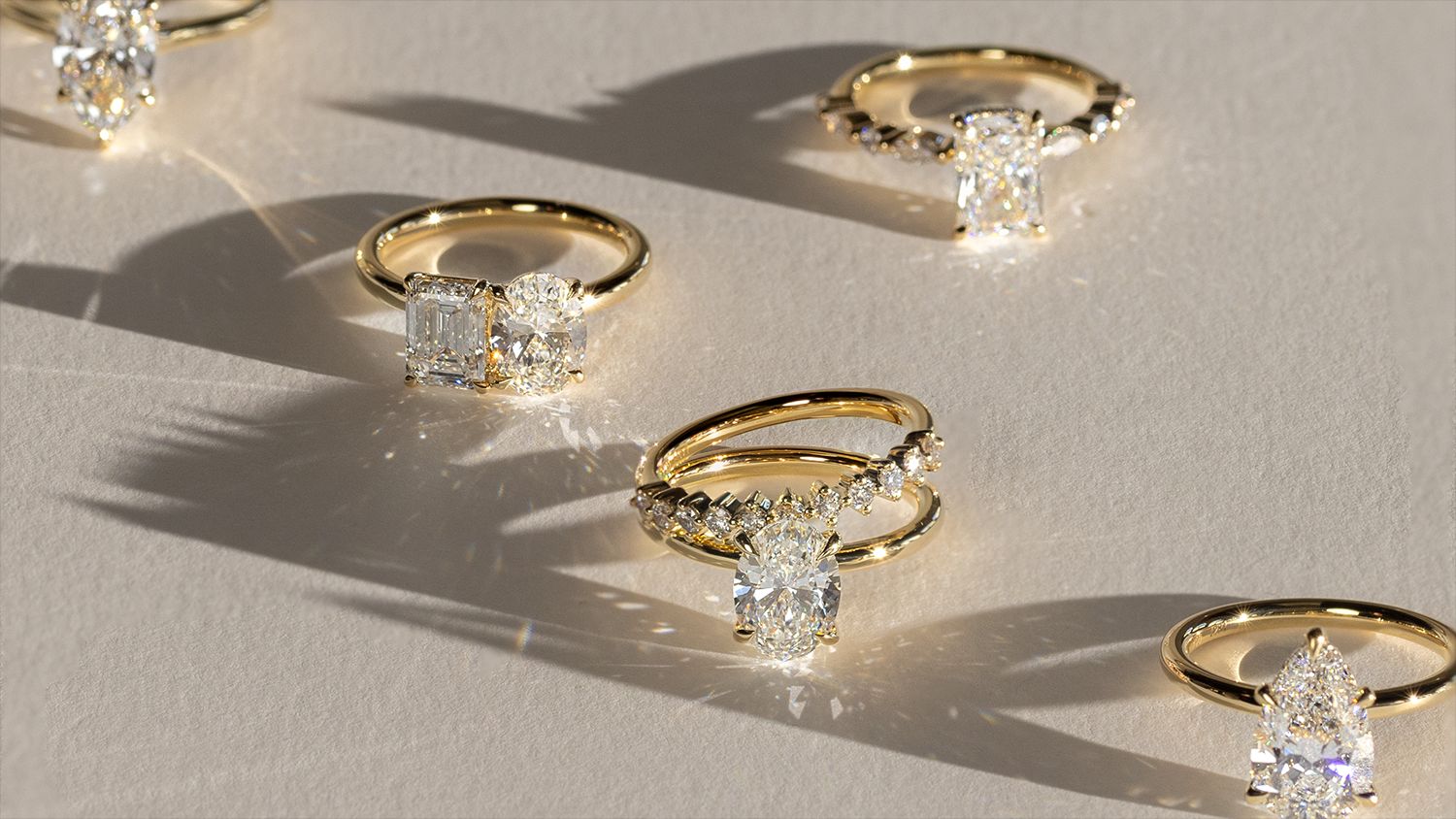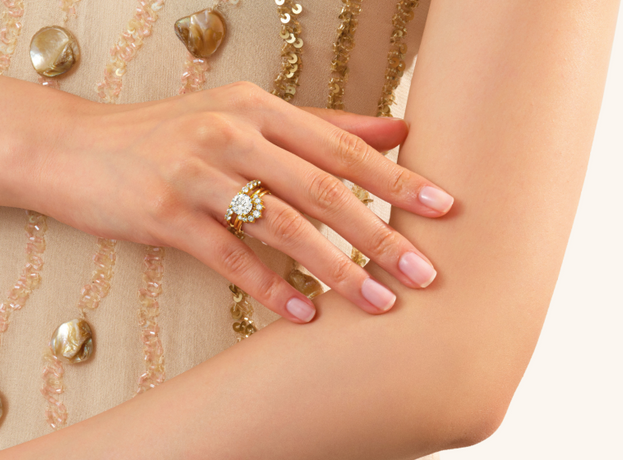


When was the last time you stared at a diamond and wondered, why does this tiny rock cost as much as a car? Yeah, me too. It’s not just about the sparkle—it’s about the mysterious “4Cs” that everyone pretends to understand but few actually do. And lately, another curveball has entered the jewellery world: lab diamonds. Put the two together—the diamond 4Cs chart and lab diamonds—and suddenly, shopping for a ring feels like a crash course in geology, finance, and romance all at once.
Diamonds and Stories (Because They’re More Than Just Stones)
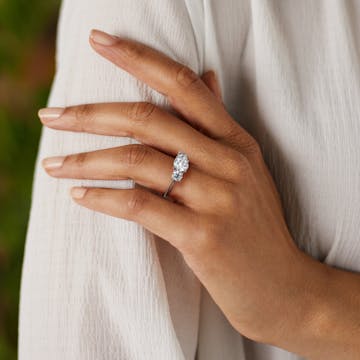
Think about it. Jewellery is rarely about the object itself. It’s about what it represents. A necklace from your grandmother. The ring your partner nervously pulls out of their pocket. Even those earrings you bought yourself on payday because, honestly, you deserved them.
That’s where diamonds come in—they’ve been marketed as eternal, rare, and the ultimate symbol of love. But here’s the twist: most people buying a diamond have no clue what they’re looking at beyond “ooh, shiny.” That’s why the diamond 4Cs chart exists. Carat, Cut, Clarity, and Color. It’s supposed to be the cheat sheet to help you understand value.
But let’s be real. How many of us can look at two diamonds under a jeweler’s light and instantly say, “Ah yes, that’s an F color with VS2 clarity”? Exactly.
And that’s before you even add lab diamonds to the mix. Which, spoiler alert, are shaking things up big time.
The 4Cs, Broken Down Without the Snooze Factor
Alright, here’s the lowdown. The diamond 4Cs chart sounds technical, but you don’t need a geology degree.
- Carat – This one’s easy. It’s the weight. Bigger usually means pricier. But here’s the catch: a slightly smaller diamond (say, 0.9 carats) can look almost the same as a full 1-carat but cost way less. Sneaky trick, right?
- Cut – This is the big one. Cut isn’t about shape (round, oval, princess, etc.), it’s about how well the diamond reflects light. A good cut = sparkle. A bad cut = sad, dull rock.
- Clarity – Basically, how many “flaws” (tiny natural inclusions) are inside the stone. The thing is, most of these are invisible to the naked eye. Paying extra for flawless clarity? Unless you’re carrying a microscope in your pocket, you probably won’t notice.
- Color – Diamonds aren’t always pure white. They range from icy clear to slightly yellow. Most people can’t spot the difference beyond a certain point. Pro tip: don’t obsess over D color unless you’ve got money to burn.
So yes, the 4Cs matter. But they also don’t. Because a well-cut lab diamond can outshine a bigger, more expensive mined one. And that’s where things get interesting.
Lab Diamonds: The New Kid That’s Not Really New
Here’s a fun fact: lab diamonds aren’t “fakes.” They’re real diamonds—chemically identical to mined ones. The only difference is where they were formed. Instead of hanging out under the earth for billions of years, they’re created in a lab with some pretty mind-blowing tech.
And honestly? They look the same. Jewelers need specialized equipment to even tell the difference.
So why does this matter? Two big reasons:
-
Price – Lab diamonds usually cost 30–50% less. Which means a bigger stone for the same budget. Cue happy dance.
-
Ethics – No shady mining conditions or environmental destruction. That’s a win in my book.
Think about it: you could splurge on a mined 1-carat, or get a 1.5-carat lab diamond with killer sparkle. Unless you really love the idea of “earth-made,” it’s kind of a no-brainer.
Why This Matters Where You Are
Every city has its own vibe when it comes to jewellery. In some places, mined diamonds are still seen as the “only” real choice. In others, lab diamonds are gaining serious traction.
For example, if you’re in a big, trend-focused city, you’ll probably spot influencers flashing lab diamonds because they want size, sparkle, and sustainability without a six-figure bill. Meanwhile, in traditional circles, mined diamonds still carry that aura of prestige.
Here’s the thing though—uniqueness is the real flex now. Not whether your diamond came from underground or a lab, but whether it fits your story, your style, your values. That shift? Huge.
How to Actually Shop Without Losing Your Mind
Okay, so you’ve decided you want a diamond. Now what? Here’s a casual step-by-step that won’t make you want to cry into a glass of wine:
-
Pick Your Priority – Do you want size? Sparkle? Budget-friendly? Decide which C matters most to you.
-
Check Out Lab Options – Even if you’re leaning mined, at least compare. You might be surprised.
-
See in Person – Photos online are misleading. Diamonds need light to show off.
-
Don’t Get Hung Up on Grades – Slight differences in clarity or color aren’t usually noticeable.
-
Trust Your Gut – Seriously. If it sparkles and makes you smile, that’s the one.
Shopping doesn’t have to feel like an exam. Think of it as finding a little piece of sparkle that fits your story.
Wrapping It Up
At the end of the day, diamonds are about meaning, not just metrics. The diamond 4Cs chart is helpful, sure, but don’t let it dictate everything. And lab diamonds? They’re not just some passing trend—they’re here to stay, offering sparkle without the guilt (or the gut-punch price tag).
So, whether you’re team mined or team lab, remember this: the best diamond isn’t the one with perfect stats. It’s the one that feels right when you slip it on—or when someone special slips it on your finger.