

More buyers pick lab created diamonds
Shiny stones often show up in lab grown diamonds pendants. Not so long ago, people got them by digging deep into the ground using big machines. Now things are different somehow. These grown-in-labs gems sparkle just like the old kind, feel the same on your finger too. Cost less usually, fit more styles without hassle. Nowadays more folks weigh real diamonds against newer kinds when shopping. Picking something for yourself? Or maybe it’s a present – either way knowing what goes into each type makes things clearer. Lab created diamond necklaces aren’t just trendy they’re signaling a deeper change in what shoppers care about. Looks still matter of course yet honesty in sourcing solid worth and clear pricing pull equal weight.
Lab Created Diamonds Explained?
Starting with science, lab made diamonds turn out just like earth grown ones. Instead of deep underground, they grow inside high tech labs where settings stay perfectly managed. Unlike fake versions such as moissanite or cubic zirconia, these stones pass every test as genuine. Through methods mimicking nature’s heat and pressure, carbon atoms stack the same way. What you get looks identical on the inside, feels just as tough, matches in makeup down to the last detail. Though they look exactly the same without tools, experts use advanced methods to tell if a diamond came from the earth or was made in a lab.
How They Are Made
One way labs make diamonds is through a process called high pressure, high temperature. Another relies on something known as chemical vapor deposition instead. Each method builds diamond crystals but takes a different path to get there
- High Pressure High Temperature (HPHT)
- Chemical Vapor Deposition (CVD)
One way makes diamonds deep lab created diamonds, another builds them atom by atom in labs. What sets them apart is how they form, not what they become. Picture a lab-grown stone from vapor deposition – its sparkle matches exactly that of an earth-mined gem if both weigh the same and share traits.
The Main Differences Between Natural and Lab Grown Diamonds
Though they look alike in size and shape, small details could sway what you choose. Finished pieces feel identical, yet certain traits might matter more than expected. Each stone holds its own subtle quirks despite matching specs. Even when things seem equal at first glance, hidden factors can tip the balance one way or another.
Origin
Deep underground, miners pull real diamonds from ancient rock layers. Instead of digging, scientists build diamond crystals inside high tech labs.
Price
Price stands out first. Diamonds made in labs usually come cheaper than natural ones that match in quality. Because of this, shoppers might pick bigger gems or better ratings without spending more. What matters fits easier when the price drops.
Supply Chain Transparency
Starting with knowing exactly where things come from matters to plenty of shoppers. Unlike digging deep underground, making pieces in labs means every step can be seen clearly along the way.
Environmental Considerations
Out in the open, digging up diamonds takes up large stretches of ground along with heaps of power. Making them in labs still needs electricity, yet skips tearing into landscapes. How heavy the footprint ends up being ties back to where the juice comes from, how things are built, and how far they travel.
Buyers Focus on What Matters
Buying diamond jewelry these days means people look past old favorites to get more for their money. Because lab made stones cost less some shoppers pick bigger or better ones instead of smaller natural gems at the same price point. A person eyeing a small earth mined diamond might walk away with a noticeably finer piece if they go synthetic. That gap in pricing pulls attention toward alternatives in rings necklaces earrings and bangles just as much as it does in engagement bands. More folks are giving lab grown options a serious second glance now.
Understanding Diamond Quality
Carats weigh it, clarity shows what’s inside. Cut affects sparkle, color hints at shades unseen. Each part matters when judging a stone’s worth
- Cut
- Color
- Clarity
- Carat weight
Just like natural gems, those made in labs follow identical rules. Though formed underground or in factories, both types meet the same criteria. Whether pulled from earth or built in chambers, their requirements stay unchanged. Even if origin differs, expectations remain consistent across settings.
Cut
Light bounces differently depending on a diamond’s shape. When shaped just right, the glow becomes brighter, livelier too.
Color
Fewer hints of tint tend to boost a diamond’s rating. Grading leans on a spectrum where paleness often wins. Most stones travel down this ladder from warm tones toward icy neutrality. Clearness in hue usually separates top marks from the rest. Light passing through bare traces matters more than size alone. What shows up under light stays central to scoring.
Clarity
Inside a gem, tiny features show up – these are called inclusions. Outside, marks appear too, referred to as blemishes. Clarity looks at both.
Carat Weight
A single carat measures how heavy a diamond is, not how big it looks. Knowing this lets you judge choices better while keeping attention off mere appearance.
Popular Jewelry Applications
From rings to necklaces, lab-grown stones appear across most types of fine jewelry.
Engagement Rings
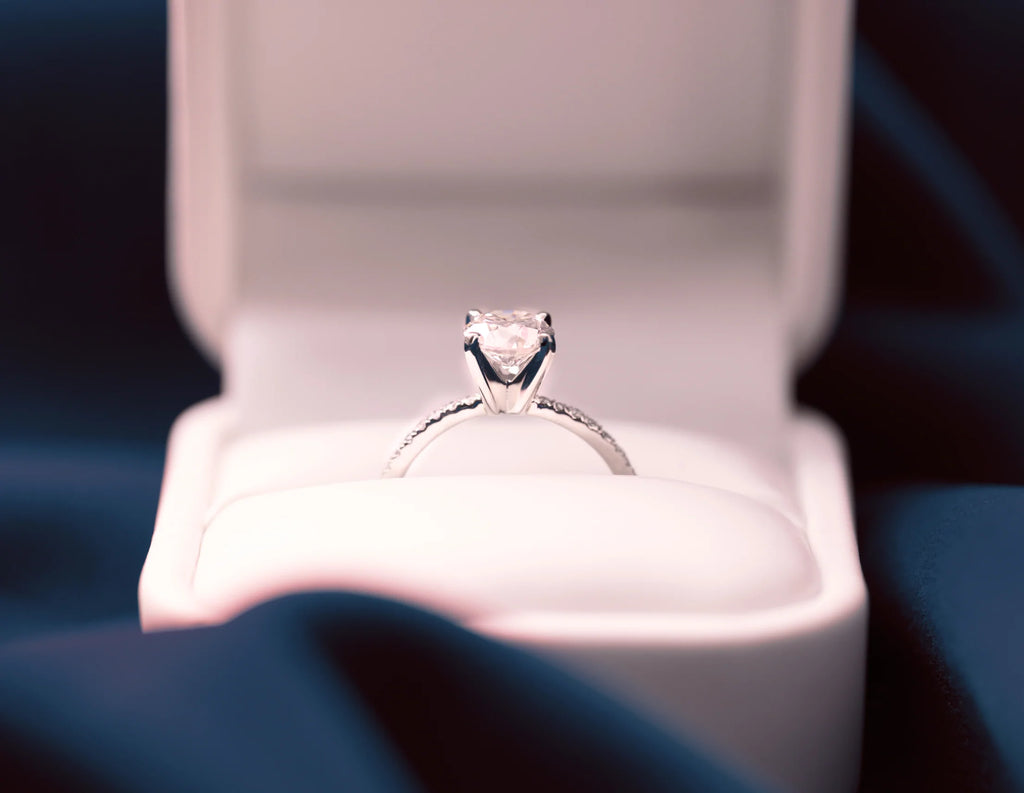
Some pairs pick lab-made gems when they want something bigger or better but still need to stick to a price. Not every couple goes natural – cost often decides what ends up on the finger.
Earrings
A small sparkle often fits every moment best. These earrings slip into regular routines just as easily as they shine at events. Their quiet charm makes them a steady favorite over time.
Necklaces and Pendants
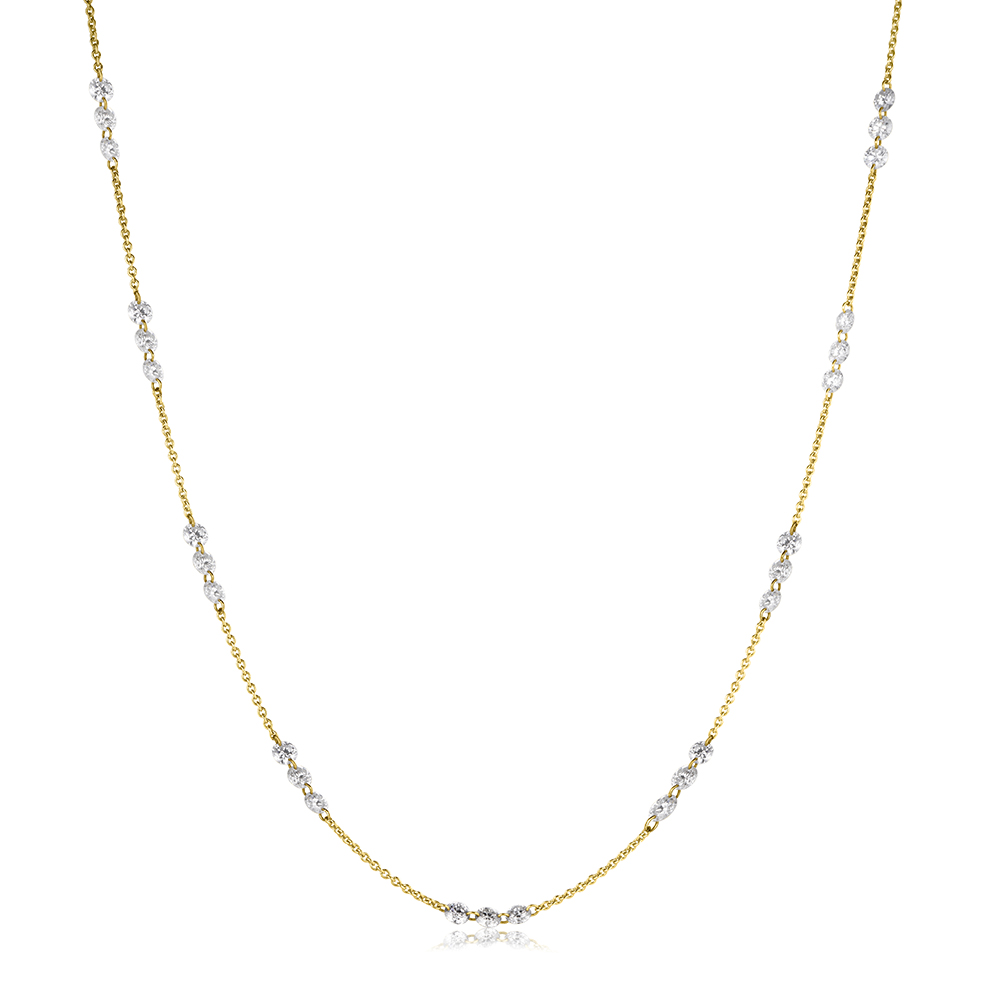
Pendants work well for all kinds of looks. One diamond piece slips easily into daily wear or evening attire. Some shoppers find lab made versions let them choose bigger stones without stretching budgets.
Tennis Bracelets
Using lab-made diamonds might make multi-diamond bracelets easier to afford.
Shop With Greater Confidence
Buying a diamond should involve more than comparing prices. Consider these practical steps:
- Review the grading report from a recognized gemological laboratory
- Compare cut quality before focusing on carat weight
- Set a budget before shopping
- Examine return and warranty policies
- Picking a gem takes time, so look at several before deciding. One might catch your eye fast, yet others could surprise you later. Each choice shows different qualities when seen side by side. Jumping too soon often leads away from better fits nearby. Seeing many helps spot what truly matters to you
A grading report gives clear details, also checks a diamond’s traits. For instance: one-carat stones can differ. Even when sized alike, the better-cut gem usually shines brighter compared to its duller twin.
Lab Grown Diamonds What People Get Wrong
People still believe a few wrong things about products.
They Are Real Diamonds
A real diamond doesn’t always come from the ground. While one grows deep underground, another forms inside a lab – both end up nearly identical. What matters isn’t where it started, but what it is.
They Are Not Cubic Zirconia
Certain crystals look similar yet behave differently when tested. One type forms under lab conditions while another mimics rarity through density alone.
Extremely Durable
Just like natural ones, lab-grown diamonds resist scratches just as well. With regular care, they hold up fine during daily use.
They Still Need Certification
A single stone might differ in quality from the next. Even so, having certification matters just as much, no matter where it comes from.
Caring for Your Diamond Jewelry
A little attention keeps things shining through the years. Wipe often – this clears away grime, fingerprints, or buildup dulling the glow. Now and then, follow basic upkeep like these:
- Store jewelry separately to prevent scratches
- Clean with mild soap and warm water
- Use a soft brush for hard-to-reach areas
- Remove jewelry during heavy physical work
- Schedule periodic professional inspections
Over time, small efforts add up when it comes to keeping jewelry bright. Care given regularly makes a difference most notice only after seeing results. What shines today stays that way mainly because of what happens behind the scenes week after week. Lasting sparkle often hides in daily habits more than grand routines ever could.
Common Questions People Have
Are lab created diamonds real diamonds?
Fine. Identical makeup down to the atoms, just like natural stones pulled from the earth. Same tight lattice forming their shine and toughness without difference. Even under pressure they hold up exactly alike – no gap in strength or form.
Why do lab created diamonds cost less?
Fresh from the lab, materials skip the heavy costs of digging them up and shipping worldwide – so they’re usually cheaper. Not needing mines helps too, since hauling stuff across continents adds up fast.
Can people tell the difference between mined and lab-created diamonds?
Most times it isn’t possible. Figuring out where a diamond comes from usually needs expert tools along with certified analysis.